Is My Deck Safe for Snow? What Homeowners Should Know Before the Next Storm ❄️🏡
When winter hits in the Poconos, many homeowners start asking the same question:
“Is my deck safe under all this snow?”
It’s a smart concern. Snow, ice, and freeze–thaw cycles place real stress on decks — especially older structures or decks that were never built with heavy winter loads in mind. The good news is that most properly built decks are designed to handle snow. The challenge is knowing when winter conditions are exposing a problem that already exists.
Here’s how homeowners should think about deck safety during snow season.
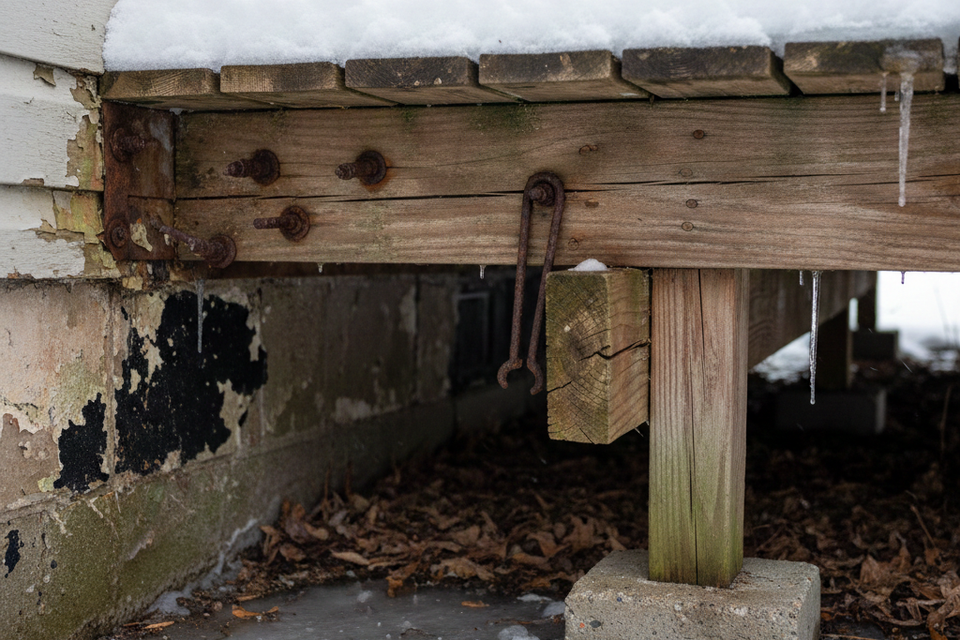
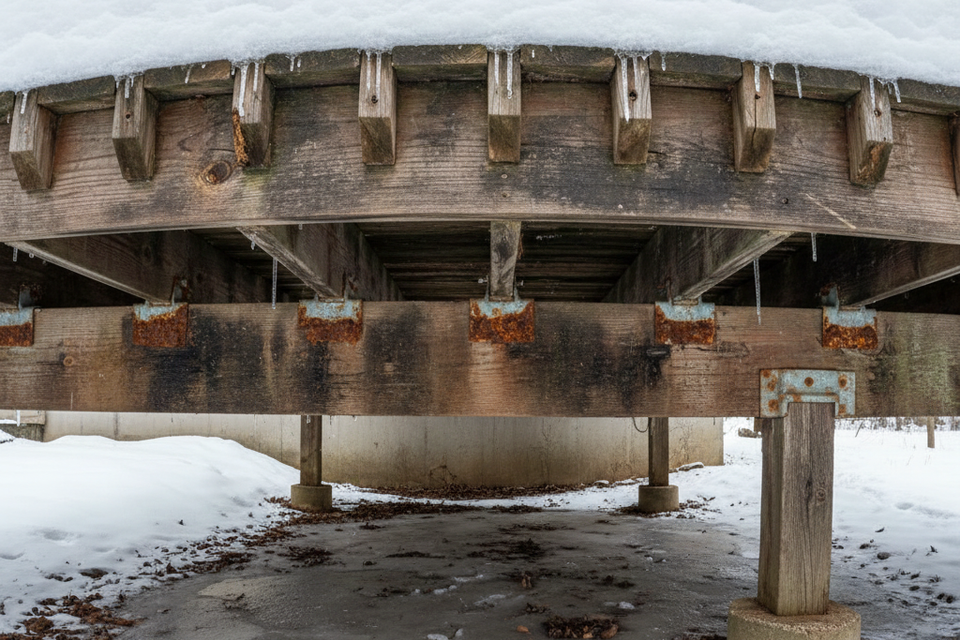
How Snow Loads Affect Decks 🌨️ Snow is heavier than most people realize. Wet, packed snow can weigh 20–30 pounds per square foot or more, and repeated storms can stack that load quickly. Add ice buildup and drifting, and the stress increases. Decks are designed to carry live loads, but snow loads: Sit for long periods of time Add constant downward pressure Trap moisture against framing Highlight weaknesses in older or compromised structures In Poconos conditions, snow load isn’t usually the cause of failure — it’s the stress test that reveals one. Most Decks That Fail in Winter Were Already Compromised ⚠️ It’s rare for a properly built, well-maintained deck to suddenly fail just because it snowed. Winter problems usually show up when a deck already has: Aging or undersized framing Rot in joists, beams, or posts Loose or outdated ledger attachment Corroded hardware Uneven settlement or movement Snow and ice don’t create these issues — they make them impossible to ignore. Warning Signs Your Deck May Be Overstressed 🚩 Pay attention if you notice: Increased bounce or movement after snowfall New creaks, pops, or cracking sounds Railings that feel looser than usual Visible sagging or unevenness Posts or beams that appear to shift Soft spots that weren’t noticeable before These signs don’t automatically mean failure is imminent, but they do mean the deck deserves attention. Should You Shovel Snow Off Your Deck? 🧹 In most cases, light to moderate snow does not need to be removed from a structurally sound deck. However, snow removal can make sense when: Snow accumulation is unusually heavy Ice buildup is trapping moisture The deck already shows signs of age or movement You’re clearing paths for safety If you do shovel: Use a plastic shovel, not metal Avoid scraping down to the surface Don’t chip at ice aggressively Shovel in the direction of the boards The goal is reducing load and moisture — not damaging the decking. Why Older Decks Need Extra Caution 🪵 Older pressure-treated wood decks are more vulnerable during winter because: Framing may already be nearing the end of its lifespan Moisture intrusion accumulates over time Freeze–thaw cycles expand existing cracks Hardware corrosion weakens connections A deck that has made it through many winters isn’t automatically unsafe — but winter is often when age-related issues finally show themselves. Composite Decks and Snow: What’s Different? 🧱 Composite decking itself is not harmed by snow or cold temperatures. It won’t rot, split, or absorb moisture the way wood does. However: The structure underneath still matters Composite decking often outlasts the framing beneath it Snow load stress still transfers to joists, beams, and posts Composite decking reduces maintenance concerns, but it doesn’t eliminate the need for a sound structure. When Snow Is a Reason to Take Action 🧠 Snow becomes a real concern when it reveals: Structural movement Advanced rot Outdated construction methods Framing that no longer meets current standards In those cases, winter isn’t the problem — it’s the warning. Addressing these issues early prevents small problems from becoming major safety or replacement issues later. A Simple Rule of Thumb for Homeowners Solid deck + normal snow: usually no issue Older deck + heavy snow + movement: worth paying attention Visible changes after storms: don’t ignore Trust what you’re seeing — and how the deck feels. Concerned About Your Deck This Winter? Let’s Talk. 🤝 If winter conditions have you questioning the safety or condition of your deck, we’re happy to talk it through. We’ll explain what’s normal, what’s not, and what typically makes sense long-term — without pressure or scare tactics. Sometimes the answer is simple reassurance. Other times, it’s a sign that planning ahead is the smart move. Next Week’s Blog Teaser 🔥 Up next: What Really Causes Decks to Fail? The Structural Mistakes Homeowners Never See. We’ll break down the hidden issues that shorten a deck’s life and how to avoid them before they become expensive problems.